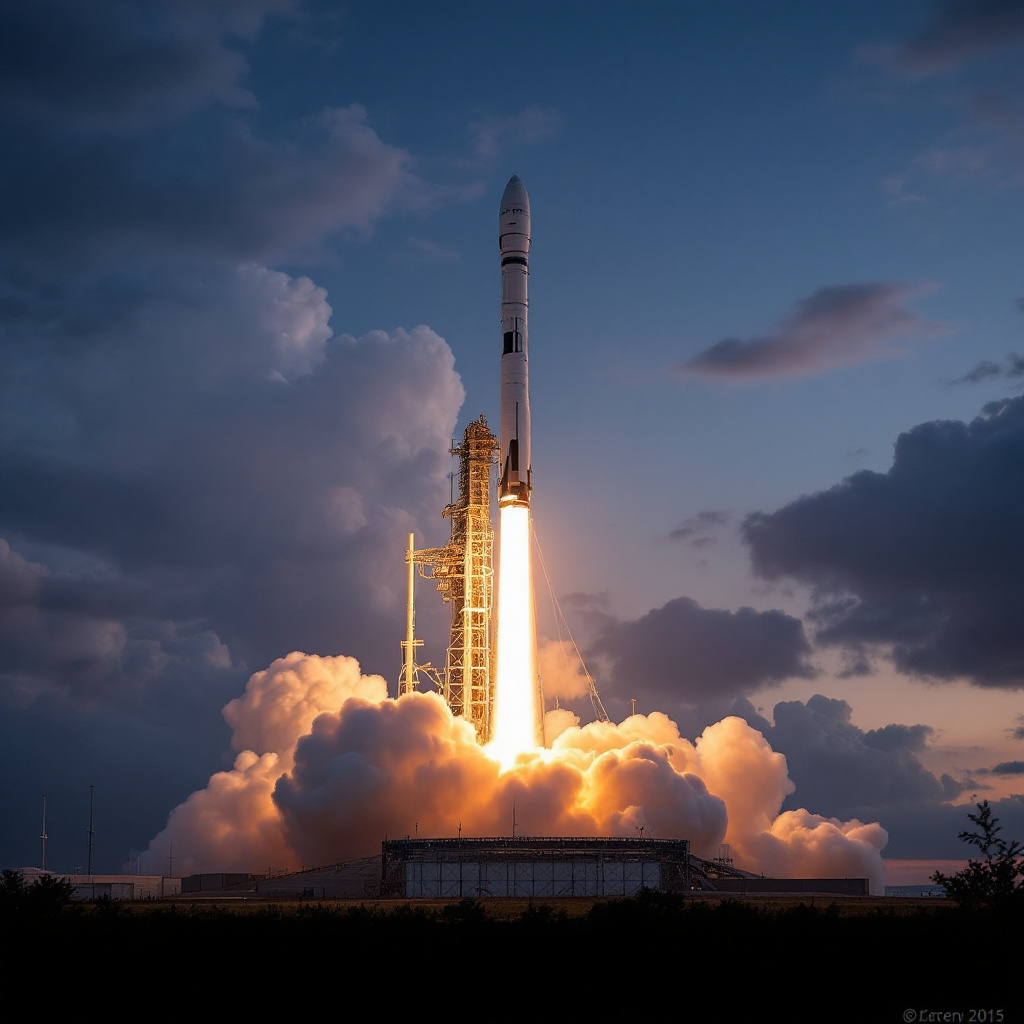
SpaceX has reportedly outlined a five-year plan that would expand its launch ambitions from roughly 170 launches a year to as many as 10,000 annually, a figure experts described as “a significant increase” before quietly checking whether the decimal point had been launched into orbit.
The proposed scale-up would mark a new era in commercial spaceflight, transforming rocket launches from rare feats of engineering into a background feature of daily life, somewhere between airline departures and leaf blowers. Industry analysts said the plan reflects growing demand for satellites, cargo missions, and the universal human desire to look up at the sky and wonder whether that rumbling noise is weather, infrastructure, or another reusable booster returning for its 43rd coffee break.
Supporters argue the expansion could dramatically lower the cost of access to space, democratizing orbit for companies, governments, universities, and eventually any neighborhood association with a modest payload and unresolved zoning dispute. Critics, meanwhile, raised concerns about regulatory capacity, environmental effects, and whether humanity is emotionally prepared for a future in which “launch window” becomes a normal calendar notification.
SpaceX has not suggested that 10,000 annual launches would make Earth merely a staging area for logistics, though observers noted the company’s long-term plans increasingly treat the atmosphere as a mildly inconvenient loading dock. If achieved, the milestone would cement commercial spaceflight’s shift from experimental frontier to booming transportation sector, ensuring future generations may never know the quaint silence of a sky not actively being monetized.