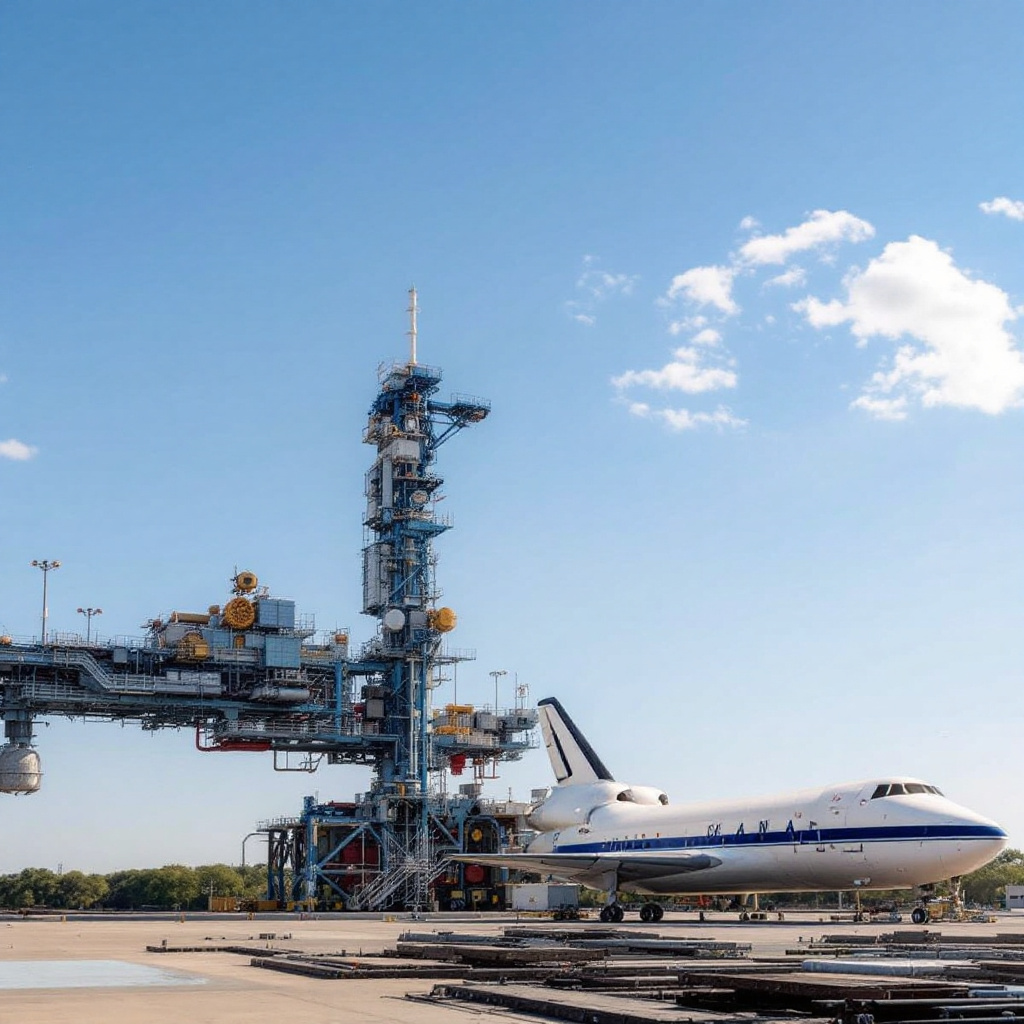
China’s commercial space sector is reportedly accelerating so fast that investors have started measuring valuations in kilonewtons. Provincial governments, determined to out-Cape Canaveral each other, are rolling out launch pads with ergonomic gantries and rocket-shaped bus shelters, while startups unveil logos that look aerodynamic enough to shave seconds off a countdown. Analysts say this marks a maturation of the ecosystem, by which they mean slide decks now feature spaceplanes in addition to rockets and at least three acronyms no one can quite define but everyone agrees are crucial.
In this new era, entrepreneurs promise to solve urgent real-world problems like “30-minute delivery to low-Earth orbit,” satellite constellations that can text your lost umbrella back to you, and premium microgravity experiences bundled with broadband. One firm claims its cubesats will provide “full-stack lunar synergy,” which appears to involve a camera, a laser, and a very confident bar chart. Roadmaps often include “Moon by Tuesday” and “Mars by year-end,” each milestone carefully supported by a GIF of a rocket and an upbeat soundtrack that investors describe as “deeply scientific.”
Government support and startup hustle have met in a public-private partnership where the public provides the physics and the private sector provides the PowerPoints. Regulators, embracing “agile orbital iteration,” have reportedly shortened approval timelines to just long enough to finish a celebratory tea, insisting each launch include a mandatory influencer unboxing of a vacuum-sealed bag of “commemorative lunar dust” (synthetic, but aspirational). Neighborhood committees are said to be volunteering to knit insulating cozies for satellites, because space is cold and community engagement is hot.
International observers, striving for composure, call it a “new space race,” except this time rocket stages are recyclable and come with subscription plans. Domestic forecasts predict that by 2028 the average household will manage at least three satellites—one for weather, one for selfies, and one reserved for when the neighbors get fiber optics first. If all goes to plan, experts say, China’s commercial space sector will finally deliver on humankind’s oldest dream: turning the vast, indifferent void into a platform for convenience services and limited-edition merch.